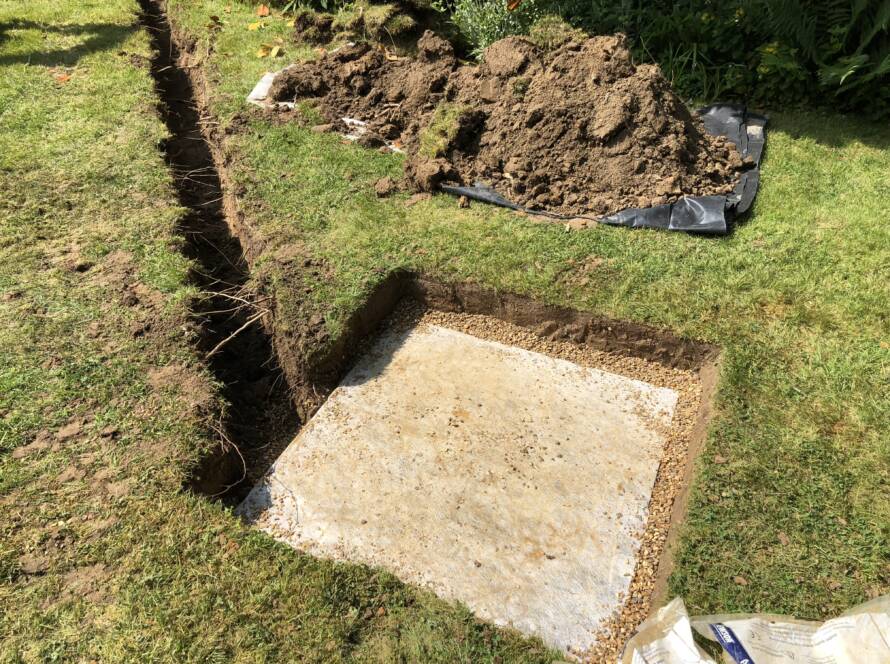
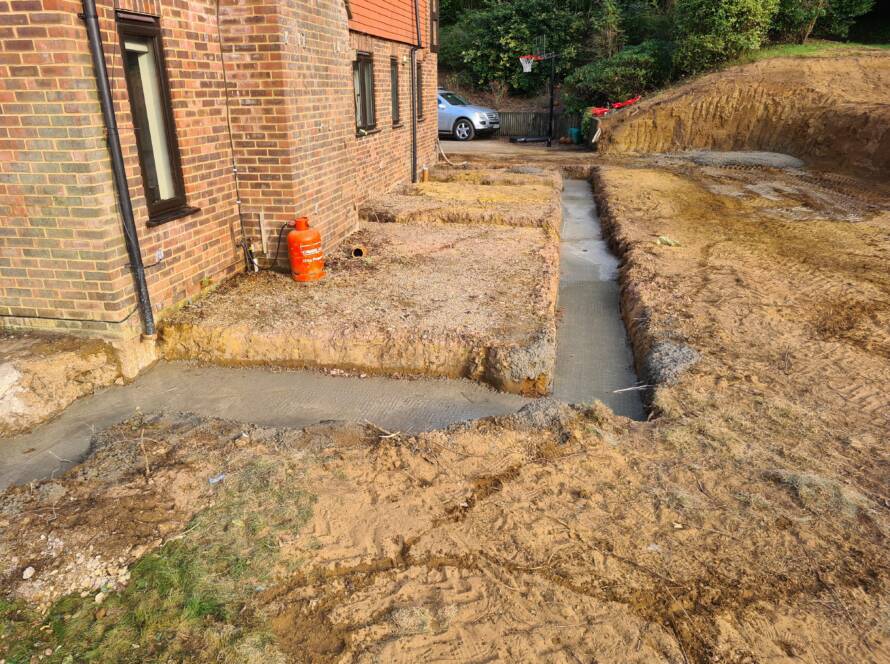
Building on clay soil in the UK presents unique challenges, particularly in areas like Surrey where shrinkable clay is widespread. Unstable ground conditions due to clay soil can lead to cracks in walls, uneven floors and even subsidence.
When planning an extension, the risk of these issues increases significantly if the foundations are not designed with care. Understanding how this type of soil behaves and how it affects house extension foundations in Surrey can make all the difference between a smooth build and costly structural issues down the line.
The good news is that with the right approach, these risks can be managed effectively. By choosing appropriate foundations for Surrey clay soil and carrying out proper structural groundwork, it is entirely possible to create an extension that is stable, durable, and built to last.
Understanding Clay Soil in Surrey
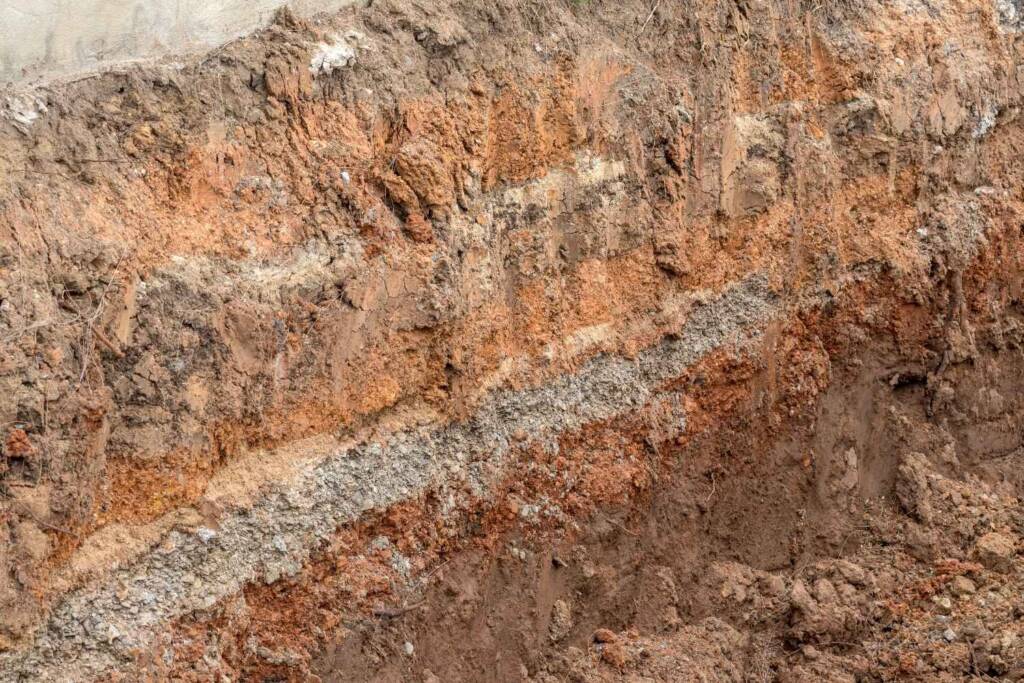
Clay soil is known for its ability to change volume depending on moisture levels. When it absorbs water, it expands. When it dries out, it contracts. This constant movement can create instability beneath buildings, especially if foundations are not properly designed.
In Surrey, this movement is often influenced by seasonal weather patterns. Wet winters can cause the soil to swell, while dry summers can lead to shrinkage. This cycle places stress on house extension foundations in Surrey, which must be able to accommodate these changes without compromising the structure above.
Vegetation can also have a significant impact. Trees and large shrubs draw moisture from the soil, increasing the likelihood of shrinkage during dry periods. This is a key consideration when building on clay soil in the UK, particularly in established residential areas.
Why Foundations Matter More on Clay
Foundations play a vital role in distributing the weight of a building safely into the ground. On clay soil, this role becomes more complex due to the potential for movement.
If the wrong foundation type is used, or if it is not installed to the correct depth, the results can include cracking, subsidence, and long-term structural damage. These problems are not just inconvenient, but can also be expensive to resolve.
Carefully planned structural groundwork in Surrey helps to mitigate these risks. By designing foundations that take soil behaviour into account, it is possible to create a stable base that supports your extension for years to come.
Foundation Types in Surrey: Understanding the Options
There are several suitable foundations for Surrey clay soil, but the best option for your project will depend on site-specific conditions, the size of the extension, and environmental factors such as nearby trees and drainage.
Trench Fill Foundations
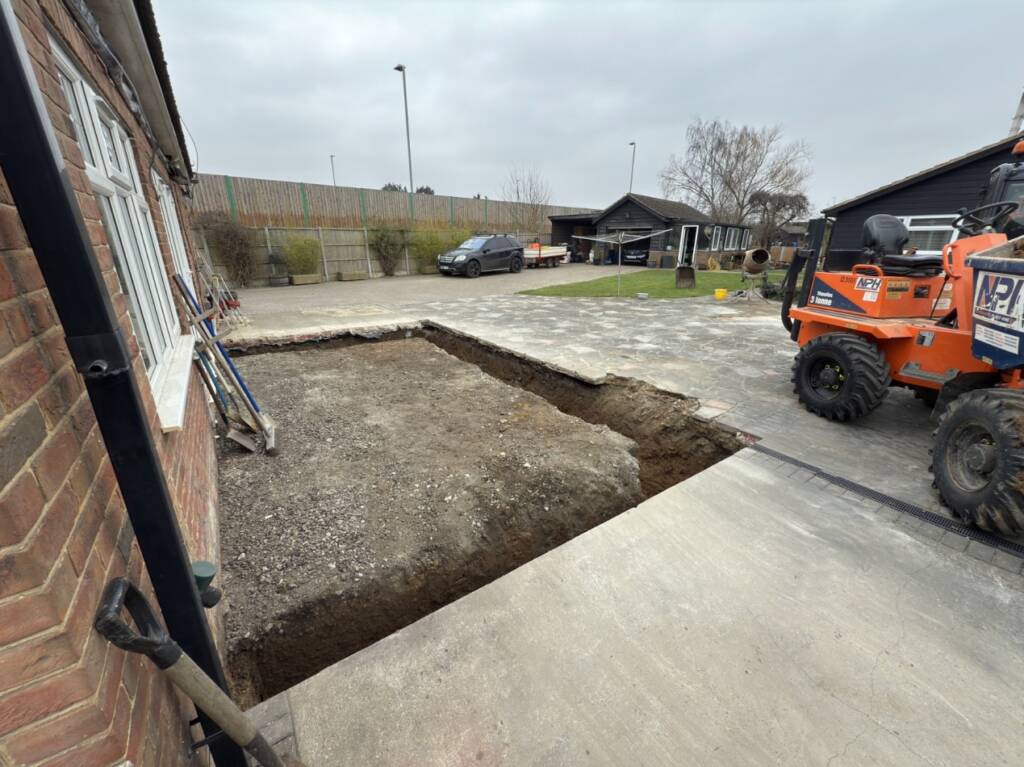
Trench fill foundations are widely used for house extensions in Surrey. This method involves digging trenches to a required depth and filling them with concrete.
On clay soil, these trenches often need to be deeper than average to reach stable ground below the zone affected by seasonal moisture changes. Depths can vary from around 1 metre to more than 2.5 metres depending on the conditions.
When properly designed, trench fill foundations are valued for their straightforward installation and reliability.
Raft Foundations
Raft foundations consist of a reinforced concrete slab that spreads the load of the building across a wide area. This design allows the structure to move more uniformly with the ground.
This can be particularly beneficial when building on clay soil in the UK, as it reduces the risk of differential movement and cracking. Raft foundations are often chosen where soil conditions are less consistent or where deeper excavation is not practical.
Piled Foundations
Piled foundations are used when the upper layers of soil are not suitable for supporting a structure. Long columns are driven or drilled into the ground until they reach more stable layers below.
In Surrey, piled foundations may be recommended for sites with highly shrinkable clay or where trees have significantly affected soil moisture levels. Although they are generally more expensive, they can provide a high level of stability in challenging conditions.
The Importance of Site Investigation
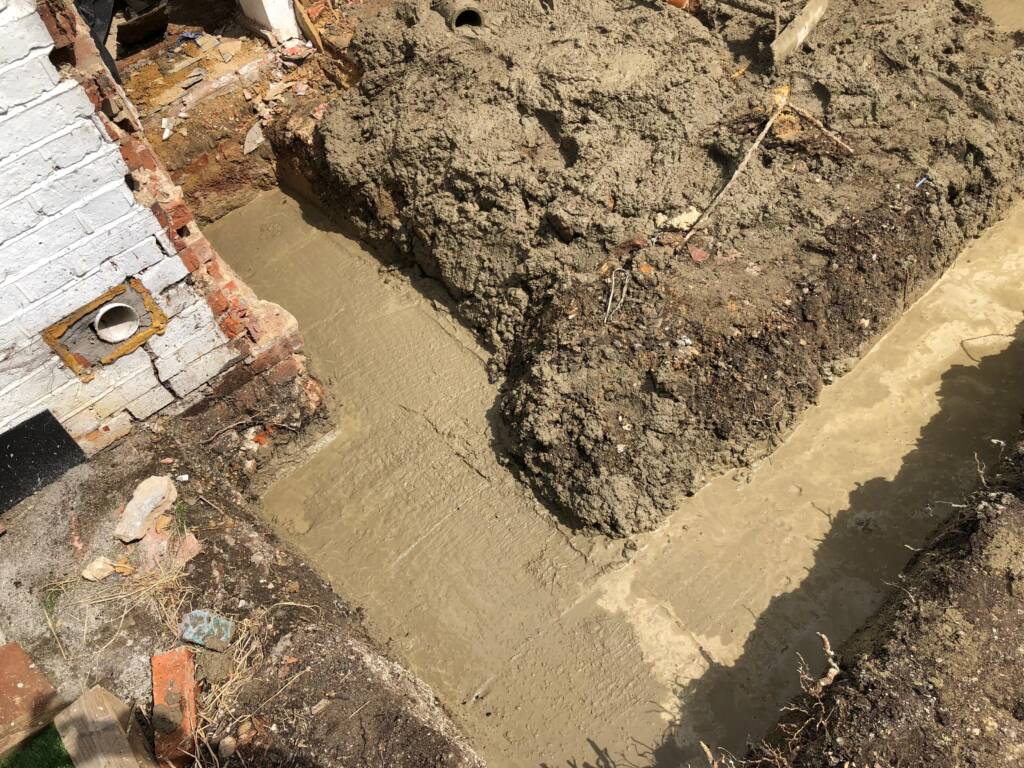
A thorough site investigation is essential before selecting foundations for Surrey clay soil. This process provides a clear understanding of ground conditions and helps inform the most appropriate design.
Soil surveys assess the type of clay, its shrinkage potential, and its ability to support loads. Drainage assessments are equally important, as water levels directly influence how clay behaves.
Working with experienced contractors and structural engineers ensures that decisions about house extension foundations in Surrey are based on accurate data rather than guesswork. This step can prevent unexpected complications and additional costs later in the project.
Managing Movement and Preventing Subsidence
While it is not possible to eliminate movement in clay soil entirely, it can be managed effectively through careful design and construction of any house extension foundations in Surrey.
Foundation depth is a key factor. Extending foundations below the level affected by seasonal moisture changes helps to reduce movement. Reinforcement, particularly in raft foundations, adds strength and stability.
Drainage is another crucial consideration. Poor drainage can lead to significant fluctuations in soil moisture, increasing the risk of expansion and contraction. Well-designed drainage systems help maintain more consistent ground conditions.
When these factors are properly considered as part of structural groundwork in Surrey, the risk of subsidence and long-term damage can be significantly reduced.
Planning and Regulations in Surrey
All extensions must comply with UK Building Regulations, which set standards for structural safety and performance. In Surrey, local authorities pay close attention to foundation design due to the prevalence of clay soil.
Building Control officers may require detailed information about soil conditions, foundation depth, and the presence of nearby trees. In some cases, additional measures such as deeper foundations or protective barriers may be necessary.
Ensuring compliance is not just about meeting legal requirements; it is about safeguarding your home and ensuring that your extension foundations remain stable over time.
Balancing Cost and Long-Term Value
Foundations are a significant part of any extension budget, particularly when building on clay soil in the UK. While it may be tempting to minimise upfront costs, this approach can lead to higher expenses in the long run.
Choosing the right foundation type from the outset helps to avoid structural issues and costly repairs. Investing in quality structural groundwork in Surrey ensures durability and peace of mind.
Whether it is opting for deeper trench fill foundations, a reinforced raft, or a piled solution, the focus should always be on long-term performance rather than short-term savings.
Building House Extension Foundations in Surrey with Confidence
Planning an extension on clay soil requires careful consideration, but with the right approach, it can be done successfully. Understanding the challenges of building on clay soil in the UK and selecting appropriate foundations for Surrey clay soil are key to achieving a durable, high-quality result.
At Evolve Construction, we bring extensive experience in structural groundwork in Surrey and a practical understanding of local soil conditions. If you are planning an extension and want confidence that your foundations are designed and built to last, get in touch with our team today to discuss your project.
FAQs – Building on Surrey Clay
Q: How deep do foundations need to be in clay soil?
A: The depth varies depending on the soil’s shrinkage potential and the presence of trees. When digging foundations for Surrey clay soil, depth should typically range from 1 metre to over 2.5 metres deep, but Building Regulations and site-specific conditions will ultimately determine the exact requirement.
Q: What are the signs of clay soil movement affecting a property?
A: Common signs include cracks in walls, particularly near openings, uneven floors, and doors or windows that stick. These issues may become more noticeable during extreme weather conditions.
Q: Are piled foundations always necessary for clay-heavy areas?
A: No, piled foundations are not always required. Many extensions in Surrey are successfully built using trench fill or raft foundations. Piles are typically used when soil conditions are particularly challenging or when stability cannot be achieved with other methods.
Q: How does poor drainage impact foundations on clay soil?
A: Poor drainage can lead to excessive moisture variation in the soil. This increases the degree of expansion and contraction, putting additional stress on foundations and potentially leading to movement over time. Therefore, proper drainage design is essential when building on clay soil in the UK.
Q: Can existing foundations be adapted for a new extension?
A: In some cases, existing foundations can be incorporated into an extension, but this depends on their depth, condition, and suitability for current building standards. A structural assessment is always required before making this decision.